Before you print business cards, build a website or file a trademark, it’s worth taking 30 minutes to check if your logo is original. A logo that looks too much like another brand can confuse customers, block your trademark application, or force an expensive redesign later.
There isn’t one perfect “logo checker” that can tell you for sure. But by combining a few free tools, you can get a reliable picture. Here’s the exact logo originality check we recommend, step by step.
Note: this guide is general information, not legal advice. For trademark decisions, talk to a trademark attorney in your country.
Quick checklist: how to check if your logo is original
- Run a reverse image search (Google Lens and TinEye)
- Search logo marketplaces and template sites
- Search design platforms like Dribbble, Behance and Pinterest
- Search trademark databases
- Compare your logo with competitors
- Get the design history from your designer
Each step takes 5 to 10 minutes. Together they catch most problems.
Step 1: Run a reverse image search
Upload your logo file to Google Lens and TinEye. They look for images that match or closely resemble yours.
- Search the full logo, then the symbol on its own, then a black version. Different versions can return different results.
- Look through several pages of “visually similar” results, not just the first row.
- If the exact image appears on another website before your logo existed, that’s a serious warning sign.
Reverse image search is good at catching copies. It’s weaker at catching logos that are similar but not identical, so keep going with the next steps.
Step 2: Search logo marketplaces and template sites
Many unoriginal logos come from templates and stock graphics that are sold to thousands of buyers. Search stock and template sites using words that describe your logo, for example “letter S logo”, “leaf logo” or “abstract hexagon logo”.
If you find the same symbol, or the same symbol with a different name next to it, your logo was probably built from a template. That means other businesses may be using it too, and you may not be able to register it.
Step 3: Search design platforms
Search Dribbble, Behance and Pinterest for the main idea in your logo. Designers share a lot of concept work here, and copied logos often start from a popular shot.
You’re looking for the same concept, not only the same image: the same letter combination, the same shape trick, or the same arrangement of symbol and type.
Step 4: Search trademark databases
This is the most important step if you plan to register your logo. Most databases let you search by name and by design or image:
- United States: USPTO trademark search
- International: WIPO Global Brand Database
- European Union and partner offices: TMview
- Other countries: your national trademark or IP office
Search your business name, then search the image or the design category for your symbol (a leaf, a shield, a letter). Pay most attention to marks in your industry, because that’s where confusion matters most.
Step 5: Compare your logo with competitors
Even if nothing is registered, looking too much like a competitor causes problems. Customers may confuse you, and you’ll look like a copy.
- Collect the logos of 10 to 20 competitors and put them on one page with yours.
- Look at them small, in black, and from a distance.
- Ask someone outside your business which logo is yours. If they hesitate, it isn’t distinctive enough.
Step 6: Get the design history from your designer
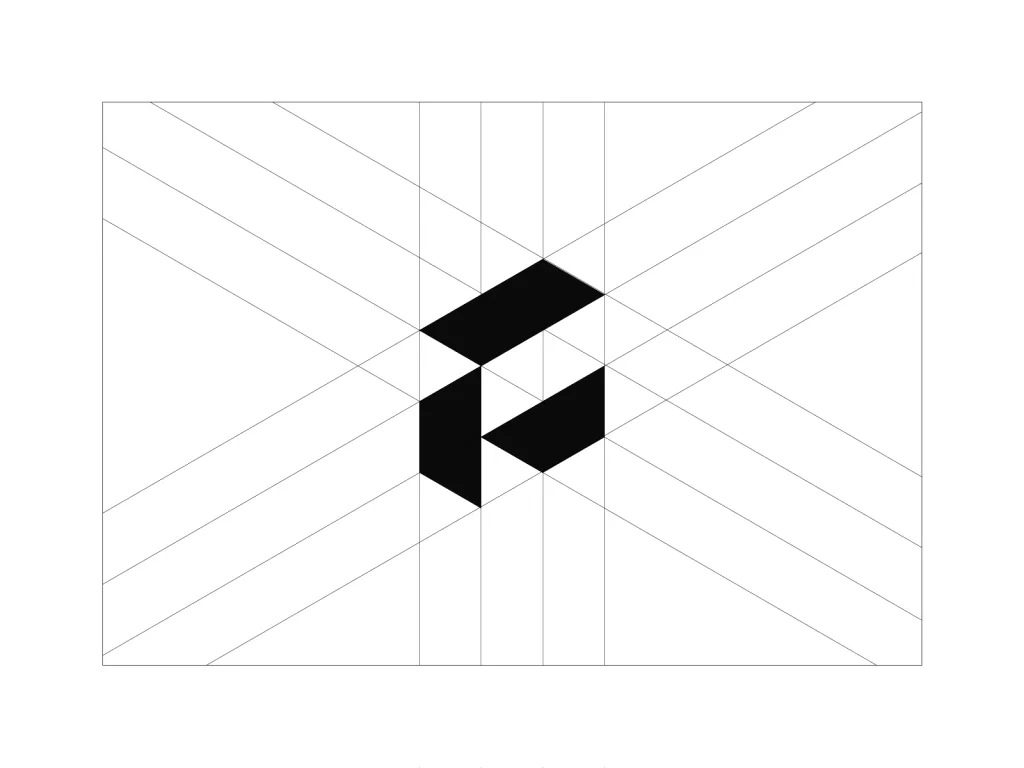
An original logo has a history. Ask your designer for:
- early sketches, construction drawings or rough concepts
- the ideas that were rejected and why
- written confirmation that the design is original and not based on a template
- a written transfer of ownership
A designer who started from scratch can show this easily. If they can’t, or won’t, treat that as a red flag.
Warning signs your logo isn't original
- It was delivered in hours for a very low price.
- The symbol is very generic: a globe, a swoosh, a lightbulb, a house with a roof line.
- You only received a PNG file, with no vector source.
- The designer can’t explain where the idea came from.
- You’ve seen something similar on a delivery van, a shop sign or an app icon.
What to do if your logo isn't original
- Stop new spending on printing, signage and merchandise until you decide.
- Talk to a trademark attorney if a registered mark in your industry looks similar.
- Decide: refine or replace. Small changes rarely make a copied logo safe. If the core idea is copied, a new design is usually the cheaper option long term.
- Work with a designer who starts from research and sketches, and get originality and ownership confirmed in writing.
How we keep LogoFarmers logos original
We design every logo from scratch, never from templates or clipart. Readymade marks in our logo shop are original designs, and each one is sold only once. For custom projects, we design from scratch around your brand. For more on what a fair price looks like, see our logo design cost guide.
Logo originality check FAQ
Is there a free logo checker online?
There’s no single tool that can confirm a logo is original. The best free approach is to combine reverse image search (Google Lens, TinEye) with free trademark databases like the USPTO, WIPO and TMview.
How do I check if a logo is already taken?
Search the trademark database for your country by name and by image, and run a reverse image search. If you find a similar mark in the same industry, get legal advice before using yours.
Can two businesses have similar logos?
Sometimes, especially in different industries and countries. But the closer the logos, industries and markets are, the higher the risk of confusion and legal problems.
Does changing colours make a copied logo original?
No. Changing colours or fonts rarely makes a copied symbol distinctive. Originality comes from the idea and the shape, not the finish.
Want a logo you know is original?
Browse original readymade marks in the LogoFarmers shop, or start a custom project. You can also email us at hello@logofarmers.com.