Bold vs Subtle Logos: Which Style Fits Your Brand?
Bold vs subtle logos is one of the first choices in any logo project, and it shapes everything after it. A bold logo shouts. A subtle logo speaks quietly. Both can work brilliantly, and both can fail if they don’t match the brand behind them.
Here’s what each style really means, when to use it, the risks of each, and a simple way to decide which one fits your business.
Bold vs subtle logos at a glance
Bold logo
Subtle logo
Looks like
Heavy shapes, thick type, high contrast, strong colour
Light or thin forms, restrained colour, lots of space
Feels
Confident, energetic, loud, modern
Calm, refined, premium, trustworthy
Best at
Standing out fast in busy places
Building a sense of quality over time
Risk
Can feel aggressive or cheap if overdone
Can feel forgettable or disappear at small sizes
Often used in
Sport, food and drink, entertainment, consumer apps, retail
Luxury, hospitality, wellness, professional services, finance
What makes a logo bold?
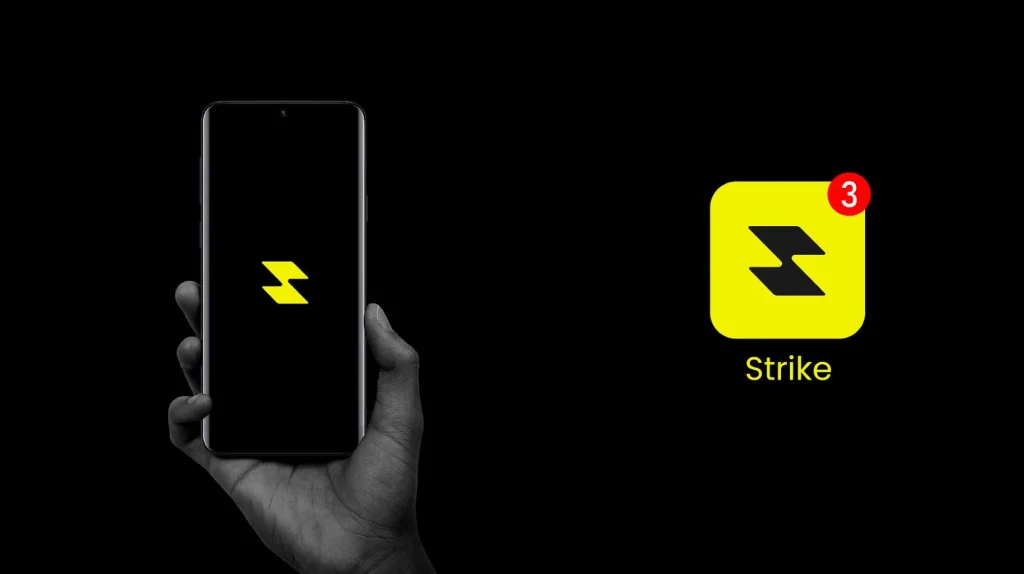
Strike: a bold logo with heavy shapes and strong contrast, built to stand out on a phone screen.
In design, “bold” means visual weight: how strongly an element pulls the eye. It’s a core part of visual hierarchy, which decides what people notice first. A bold logo uses some or all of these:
Heavy shapes with solid fills rather than thin lines
Thick, tight typography, often a heavy sans-serif or condensed face
High contrast, such as black and yellow or white on a strong colour
Simple, chunky forms that read instantly from a distance
Energy, from diagonals, sharp angles or movement
A bold logo is built to be noticed first: on a crowded shelf, a busy social feed, a stadium screen or a tiny app icon.
What makes a logo subtle?
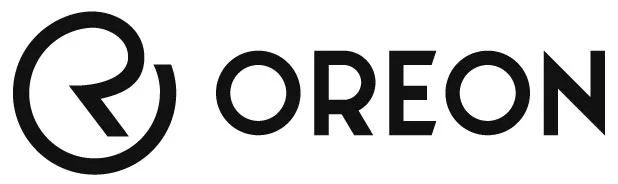
Oreon: a subtle logo built from a single line-drawn ring and clean, open lettering.
A subtle logo gets its effect from restraint rather than weight:
Lighter or thinner forms, or a simple wordmark with no symbol
Refined typography, such as an elegant serif or a light, well-spaced sans-serif
Limited, muted colour, often one or two quiet tones
Space around and inside the mark
Small, clever details that reward a second look
A subtle logo doesn’t try to win the first second. It builds a feeling of quality and trust each time someone sees it.
When a bold logo is the right choice
You compete in a crowded, noisy market where getting noticed is the first challenge.
Your brand personality is energetic, playful, brave or disruptive.
Your logo will be seen quickly or from far away: signage, packaging, vehicles, sport kits, app stores.
You target a younger or mass-market audience that responds to confidence and energy.
When a subtle logo is the right choice
You sell premium, high-trust or high-price products and services.
Your brand personality is calm, expert, elegant or caring.
Customers spend time with your brand: hotels, clinics, consultancies, financial services.
Your product or experience is the hero, and the logo should support it rather than compete with it.
Common mistakes with each style
Bold logo mistakes:
Too many loud elements at once: heavy type, bright colours, effects and a complex symbol
Choosing “bold” to look exciting when the brand is actually calm or premium
Following a trend so closely that the logo looks dated in two years
Subtle logo mistakes:
Lines so thin they disappear on a phone screen, in embroidery or in print
Low-contrast colours that fail on light or dark backgrounds
Being so minimal that the logo looks generic and forgettable
Yes, and many of the best ones are. A few ways to combine them:
A bold symbol with a quiet wordmark: the icon grabs attention, the type keeps it refined.
A subtle logo with a bold colour: simple, light forms in one confident brand colour.
A bold primary logo with subtle secondary versions for formal documents, packaging details or premium products. A good logo system makes room for both.
How should people feel in the first second? Excited and energised points to bold. Calm and reassured points to subtle.
Where will people see your logo most? Fast, busy or far-away places favour bold. Close, slow and personal places favour subtle.
What does your price say? Value and mass-market brands often go bold. Premium brands often go subtle.
What are your competitors doing? If everyone is bold, a confident subtle logo can stand out, and the other way round.
If your answers are split, choose the style that matches the first question. Feeling comes first.
Bold vs subtle logos FAQ
What does “bold” mean in design?
It means visual weight: thick shapes, heavy type and strong contrast that make an element stand out. A bold logo is designed to be noticed quickly.
Are subtle logos better for luxury brands?
Usually, yes. Restraint, space and refined type suggest quality. But a luxury brand can still use one bold element, such as a confident colour or a distinctive monogram.
Do bold logos work better on social media?
They often do, because profile pictures are tiny and feeds are busy. A subtle logo can still work there if it has a simple, strong icon version.
Can I change from a bold logo to a subtle one later?
Yes. Many brands move toward simpler, quieter logos as they grow. Plan the change as a refresh that keeps recognisable elements, so customers still know you.
Not sure which style fits your brand?
At LogoFarmers, we start every project by defining how your brand should feel, then choose the right balance of bold and subtle before designing anything. Browse our readymade logos or start a custom project. You can also email us at hello@logofarmers.com.