How Your Logo Can Drive Customer Loyalty and Long-Term Brand Value
Customers don’t stay loyal to a logo. They stay loyal to a good experience. But the logo is what helps them find that experience again, recognise it instantly and feel good about it before they’ve even thought about it.
That’s why logo design for customer loyalty is less about a clever symbol and more about recognition, consistency and trust over time. Here’s how a logo supports loyalty, what the psychology says, and what to do (and avoid) if you want customers to keep coming back.
How a logo builds customer loyalty
Good logo design for customer loyalty works in four ways:
It makes you easy to find again. On a shelf, in an app store or in a search result, a familiar logo is a shortcut back to a brand people already trust.
It carries your reputation. Every good experience gets attached to the mark. Over time, the logo itself starts to signal “this will be good”.
It creates a feeling of belonging. People wear, share and display logos of brands they identify with. A logo people are proud to show is a loyalty asset.
It signals stability. A consistent, well-made logo tells customers you’re here for the long term, which makes them more comfortable committing to you.
The psychology: why familiar logos feel trustworthy
Psychologists call it the mere-exposure effect: people tend to like things more simply because they’ve seen them before. Each time a customer sees your logo next to a good experience, the mark becomes more familiar, and familiarity feels safe.
This is the heart of logo design for customer loyalty, and it only works if the logo is recognisable and consistent. If it looks different on your website, your packaging and your social media, every touchpoint starts from zero instead of building on the last one.
5 logo design principles that support loyalty
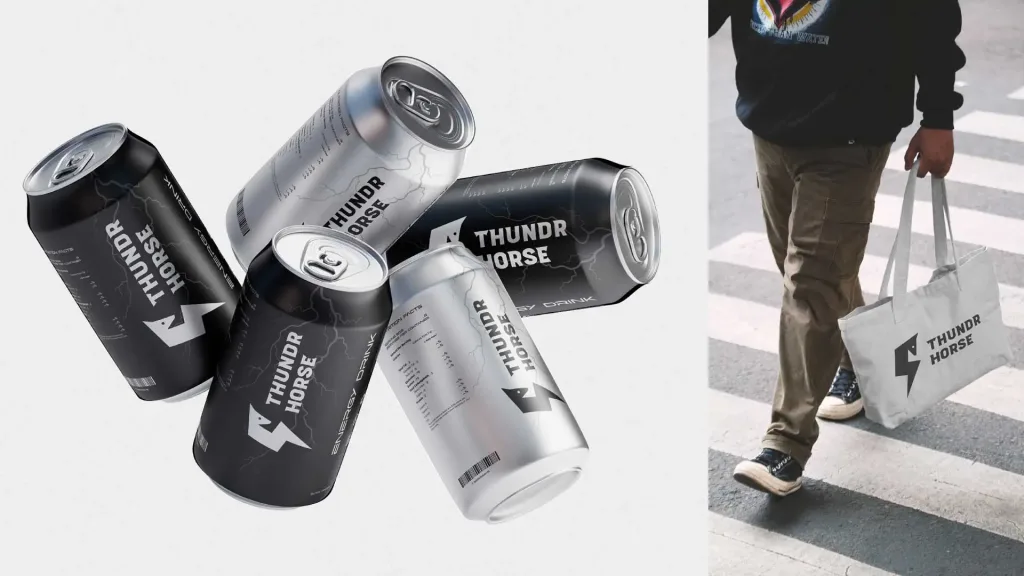
Thundr Horse: the same mark on every can and bag, so every purchase builds recognition.
Simple enough to remember. If people can’t picture your logo after seeing it a few times, it can’t build memory. One clear idea beats three clever ones.
Distinctive in your market. If your logo looks like your competitors’, you’re building recognition for the whole category, not for you.
Built to work everywhere. A proper logo system (primary, secondary and icon) keeps you recognisable from a billboard to a 16px favicon.
True to the experience. A logo that promises luxury while the service feels cheap breaks trust. The design should match what customers actually get.
Consistency: where loyalty is really won
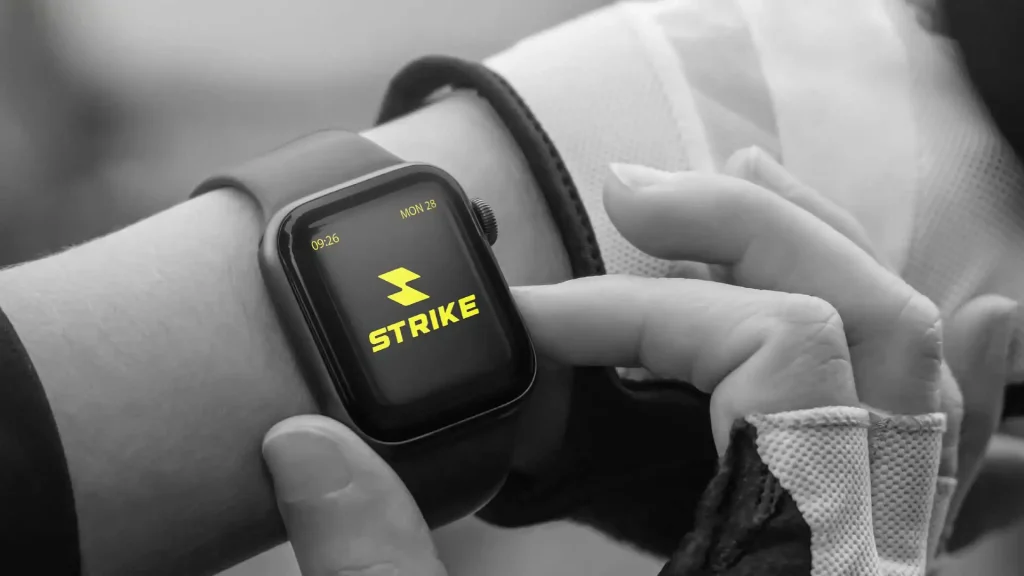
Strike: a logo that customers see every day on their wrist becomes part of their routine.
A great logo used inconsistently does less for loyalty than a decent logo used the same way everywhere. To stay consistent:
use the same approved files on every channel (no screenshots or redrawn versions)
keep the same colours, clear space and minimum sizes
write simple usage rules for your team, printers and partners
check new materials against the rules before they go out
Customers notice inconsistency, even if they can’t explain it. It makes a brand feel less reliable, and undoes the work of logo design for customer loyalty.
Should you change your logo? Don't lose the loyalty you've built
Changing a logo can reset recognition that took years to build. Before you redesign:
List what customers recognise: the shape, a colour, a letterform, the name style.
Refresh rather than replace when the logo still works but looks dated. Keep the recognisable parts and improve the rest.
Replace only when the logo is holding you back: it doesn’t fit your business anymore, it’s not original, or it fails in real use.
Explain the change to customers. A short story about why you’ve evolved helps them come with you.
Mistakes that weaken loyalty
Changing the logo too often, or using different versions at the same time
Letting the logo promise something the product or service doesn’t deliver
Hiding the logo on key touchpoints, like packaging, receipts and emails
Logo design for customer loyalty: FAQ
Can a logo really make customers more loyal?
Not on its own. Loyalty comes from good products and service. But a recognisable, consistent logo makes it easier for customers to remember, find and trust you, which supports loyalty over time.
How long does it take for a logo to become recognisable?
It depends on how often people see it. Brands that use one consistent logo across every touchpoint build recognition much faster than brands that change or mix versions.
Will a rebrand make me lose loyal customers?
It can, if the change is sudden and drops everything people recognise. A careful refresh that keeps key elements, and explains the change, usually keeps loyal customers on board.
What makes a logo memorable?
Simplicity, a distinctive shape, and consistent use. People remember logos they see often and can picture easily.
Build a logo customers will remember
At LogoFarmers, logo design for customer loyalty starts with one rule: we design logos to be simple, distinctive and consistent, so every customer touchpoint builds on the last. Browse our readymade logos or start a custom project. You can also email us at hello@logofarmers.com.